
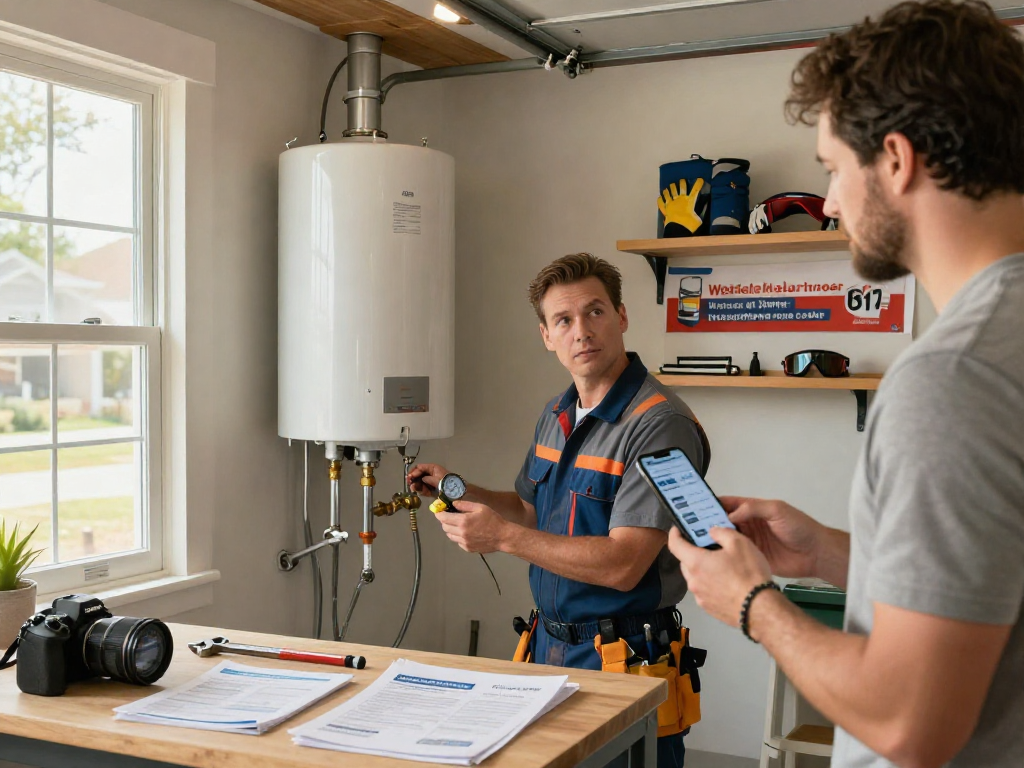
Understanding Water Heater Systems
Water heaters are essential appliances in homes, providing hot water for various domestic needs such as bathing, cooking, and cleaning. Understanding the different types and mechanics of water heaters is crucial for homeowners, especially in regions like Fort Worth, where climate variations can impact water heater performance. Homeowners can also greatly benefit from quality water heater repair Fort Worth services, which ensure that their systems remain in optimal working condition.
What Types of Water Heaters Are Available?
There are several types of water heaters, each with its unique features and benefits:
- Tankless Water Heaters: These provide hot water on demand and are known for their energy efficiency since they do not have a storage tank that continually heats water.
- Storage Tank Water Heaters: These traditional systems store a specific amount of hot water, which can be readily accessed when needed. They come in various sizes and are widely used in households.
- Heat Pump Water Heaters: Utilizing electricity to transfer heat from the air or ground to heat water, these systems are highly efficient and can reduce energy costs.
- Solar Water Heaters: Leveraging solar energy, these heaters are becoming popular as a renewable energy solution, particularly in sunny regions.
How Does a Water Heater Work? Key Components Explained
A water heater operates through a simple yet effective process involving several key components:
- Heating Element: For electric water heaters, this component heats the water using electric power. Gas heaters have burners that ignite to heat the water.
- Thermostat: This device monitors the water temperature and regulates the heating process to maintain the desired temperature.
- Tank: In storage heaters, the tank holds water until it is needed. The insulation around the tank helps minimize heat loss.
- Pressure Relief Valve: This safety feature releases water if the pressure inside the tank exceeds safe levels, preventing explosions.
- Drain Valve: This allows homeowners to empty the tank for maintenance or repairs.
Benefits of Regular Maintenance for Water Heaters
Regular maintenance of water heaters provides numerous benefits, including:
- Increased Lifespan: Routine check-ups can extend the life of the appliance, saving homeowners from premature replacement costs.
- Improved Energy Efficiency: A well-maintained water heater operates more efficiently, leading to lower energy bills.
- Enhanced Safety: Regular inspections ensure that safety features function correctly, reducing the risk of accidents.
- Better Performance: Maintenance helps maintain consistent water temperature and supply, ensuring comfort for users.
Common Issues with Water Heaters in Fort Worth
Water heaters can encounter various issues, particularly in Fort Worth's ever-changing weather conditions. Knowing the common problems enables homeowners to identify potential repair needs early, thus avoiding costly replacements.
Signs Your Water Heater Needs Repair
Being aware of the signs indicating that a water heater needs repair can save homeowners time and money:
- No Hot Water: If your taps only produce cold water, it’s a clear sign that your heater is malfunctioning.
- Discolored Water: Rusty or discolored water usually indicates corrosion within the tank.
- Unusual Noises: Rumbling or hissing sounds can signal sediment buildup or mechanical issues.
- Water Leaks: Any leaks around the base or from the valve suggest a significant problem and require immediate attention.
Most Frequent Problems Faced by Homeowners
Some common problems that homeowners in Fort Worth might face include:
- Thermostat Malfunction: A faulty thermostat can lead to inconsistent hot water temperatures.
- Heating Element Failures: Electric units often face heating element failures, which can prevent hot water generation.
- Tank Corrosion: Over time, tanks can corrode, leading to leaks and the need for replacement.
- Gas Burner Issues: For gas water heaters, burner malfunctions can stop the heating process completely.
Impacts of Ignoring Water Heater Maintenance
Ignoring regular maintenance can lead to serious consequences, such as:
- Higher Energy Bills: Poorly maintained systems can consume more energy, leading to increased monthly utility costs.
- Frequent Breakdowns: Without regular inspections, minor issues can escalate into major failures, necessitating costly repairs.
- Decreased Efficiency: A neglected water heater may fail to heat water effectively, causing discomfort in daily activities.
- Safety Hazards: Untended water heaters can pose risks such as leaks or explosions due to pressure buildup.
Choosing the Right Repair Service
When it comes to water heater repair, selecting the right service can significantly impact the quality of work and the longevity of your appliance. Understanding what to look for in a service provider can ensure you receive the best care for your heating system.
Factors to Consider When Hiring a Water Heater Repair Technician
Consider the following factors when choosing a technician:
- Experience and Qualifications: Ensure the technician is certified and has substantial experience with water heaters.
- Reputation: Check online reviews and testimonials to gauge the reliability of the service.
- Licensing and Insurance: A licensed and insured technician protects homeowners from liability in case of accidents during the repair process.
- Transparency in Pricing: Look for services that provide clear estimates without hidden fees.
Questions to Ask Before Committing to a Service
Before hiring a repair service, here are essential questions to consider:
- What is your experience with water heater repairs?
- Do you offer warranties on your services?
- Can you provide references from previous clients?
- What is your estimated timeline for completing repairs?
Importance of Local Expertise in Water Heater Repair Fort Worth
Local technicians understand the specific needs and challenges faced by homeowners in Fort Worth. Their familiarity with common issues in the area allows them to provide tailored solutions that may not be available from larger, non-local services. This local expertise ensures faster response times and often better customer service.
Repair vs. Replacement: Making the Best Choice
Homeowners often face the dilemma of whether to repair or replace a malfunctioning water heater. Understanding the factors involved can help make this decision easier.
When Is Repair the Better Option?
Repairing your water heater is usually the best choice when:
- The problem is minor and easily fixable, such as a malfunctioning thermostat or a heating element.
- The unit is relatively new and under warranty.
- The overall condition of the heater is good, showing no signs of significant rust or corrosion.
Indicators That You Should Consider Replacement
Consider replacement if:
- Your water heater is over 10-15 years old, as this is typically its lifespan.
- You experience frequent repairs that are becoming costly.
- The cost of repairs exceeds 50% of the cost of a new unit.
- There is significant corrosion or leaks.
Cost Comparisons: Repair vs. New Installation
When deciding between repair and replacement, consider the costs involved:
- Repair Costs: Minor repairs can range from $100 to $400, which may be a cost-effective option if the unit is otherwise functioning well.
- Replacement Costs: New water heaters can cost between $800 to $2,500, depending on the type and installation requirements.
- Long-Term Value: Investing in a new, energy-efficient model can save on utility bills, offering long-term financial benefits.
Future Trends in Water Heater Technology
The water heating industry is evolving, with technological advancements promising increased efficiency and convenience. Homeowners should stay informed about these trends to make educated decisions for their installations.
Innovations in Energy Efficiency for Water Heaters in 2026
Future water heaters are expected to focus on energy efficiency, including:
- Enhanced Insulation Technology: Improved insulation methods will minimize heat loss, maintaining water temperature efficiently.
- Condensing Water Heaters: These will utilize exhaust gases to preheat the incoming cold water, improving energy use.
- Hybrid Systems: Combining heat pump and traditional methods will offer versatility and efficiency, particularly in varying climates.
The Role of Smart Technology in Modern Water Heaters
Smart technology is increasingly becoming integrated into water heating solutions, offering features like:
- Remote Monitoring: Homeowners can check the status and adjust settings via mobile apps.
- Automated Diagnostics: Systems will self-diagnose issues and alert homeowners or service providers for timely repairs.
- Usage Patterns Learning: Smart heaters can learn household usage patterns to optimize performance and save energy.
How Upcoming Regulations May Affect Water Heater Repair
New energy efficiency regulations anticipated in the coming years will likely affect water heater models available for installation. Homeowners should embrace these changes, as they often lead to:
- More energy-efficient models that lower utility bills.
- An increase in the lifespan of new systems due to higher quality standards.
- Potential rebates or incentives for upgrading to compliant systems.
What are the most common signs that my water heater needs repair?
Common signs include no hot water, discolored water, unusual noises, and water leaks around the unit.
How long can I expect a water heater to last with proper maintenance?
With proper maintenance, water heaters can last between 10 to 15 years, depending on the type and usage.
What should I look for in a water heater repair technician?
Look for experience, licensing, insurance, and positive customer reviews to choose a qualified technician.
Is it better to repair or replace an aging water heater?
Typically, if the unit is over 10-15 years old and needs frequent repairs, replacement is often a more practical choice.
What are the latest advancements in water heater technology?
Recent advancements include smart technology integration, hybrid heating systems, and improved efficiency standards driven by regulatory changes.